
How Much Does Concrete Resurfacing Cost vs Replacement?
Key Takeaway
Concrete resurfacing is a cost-effective option when the existing slab is structurally sound but worn on the surface.
Pittsburgh-area winters create specific conditions that affect how long resurfaced or replaced concrete will hold up.
The right choice between resurfacing and replacement depends on the extent of damage, not just the surface appearance.
Getting a professional assessment before committing to either option saves Pittsburgh homeowners time and money.

Your concrete driveway looked great when it was first poured, but now it is cracked, stained, and scaling from years of freeze-thaw cycles and road salt. You are not sure whether to resurface it or tear it out completely and start fresh. That question is exactly where most Pittsburgh-area homeowners find themselves, and the answer is not always as simple as picking the cheaper option.
The wrong choice can cost you far more in the long run, especially in a climate like Western PA where winter is relentless. If you resurface a slab that was already failing structurally, the new surface will fail too, often within a season or two. Understanding what drives concrete resurfacing cost versus full replacement is the first step toward making a smart investment.
Why This Matters for Pittsburgh, PA Residents
Pittsburgh and surrounding communities like McMurray and Finleyville see dozens of freeze-thaw cycles every winter. Water works its way into surface cracks, freezes, expands, and breaks the slab apart from the inside out. That is not a cosmetic problem. That is a structural one that resurfacing alone will not fix.
Road salt and deicers compound the issue. Western PA homeowners use more of these products than homeowners in milder climates, and they cause surface scaling that strips away the top layer of concrete over time. The right concrete mix, proper control joints, and a consistent sealing schedule matter enormously here. What looks like a resurfacing job may actually be replacement territory, and only a qualified contractor can tell you which one your slab needs.
What Does Concrete Resurfacing Actually Cost?
Concrete resurfacing cost in the Pittsburgh area typically falls between $3 and $7 per square foot for a basic overlay on a sound, well-prepped slab. A standard two-car driveway running around 500 square feet would fall in the range of $1,500 to $3,500 depending on surface condition, the type of overlay used, and how much prep work is required.
Decorative resurfacing options, such as stamped overlays or colored finishes, push that range higher, often landing between $8 and $15 per square foot or more. For context on how decorative finishes factor into overall project pricing, our Stamped Concrete Cost Guide: What to Expect for Your Project walks through what those upgrades typically add.
Full concrete replacement costs significantly more upfront. In the Pittsburgh area, replacement runs roughly $6 to $12 per square foot, which includes demolition, haul-away, base preparation, forming, and the new pour. That same 500-square-foot driveway would likely cost between $3,000 and $6,000 for a complete replacement.
Those numbers vary based on site conditions, access, slope, drainage needs, and finish choices. A written quote from a qualified contractor is the only way to get an accurate figure for your specific project.
Resurfacing vs. Replacement: What Is the Real Difference?
When you resurface concrete, a contractor applies a thin overlay or resurfacing compound over the existing slab. The goal is to restore the appearance and protect the surface without removing what is underneath. When you replace concrete, the old slab is demolished, hauled away, and a new pour is done from scratch.
Here is what determines which path makes sense for your situation:
Surface-only damage like minor staining, shallow cracks, or worn texture often qualifies for resurfacing.
Deep structural cracks that run through the full depth of the slab typically require replacement.
Heaving, sinking, or uneven sections caused by shifting soil or root intrusion usually mean replacement is the safer option.
A slab that has held up for many years with only cosmetic wear is a strong candidate for resurfacing.
If the concrete is spalling heavily throughout, the structural integrity is likely compromised and replacement is the more durable choice.
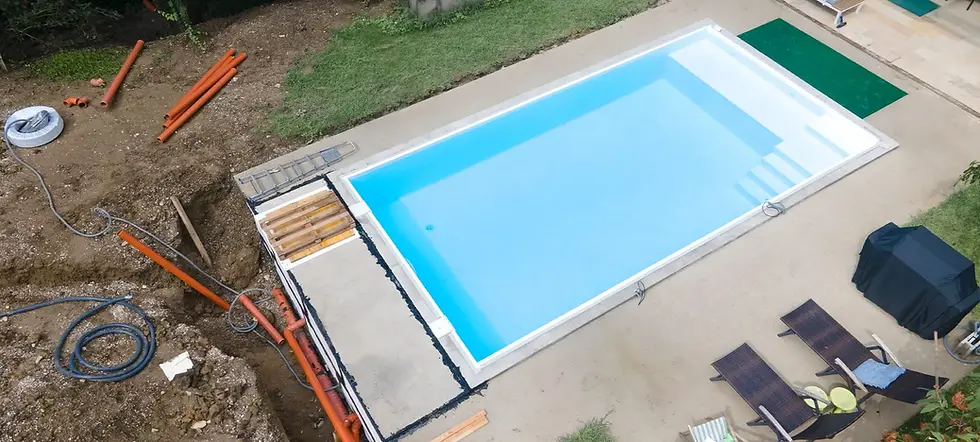
For surfaces like a pool deck where safety and a clean finished look matter, it is especially important to get this assessment right before committing to either option.
How Condition Determines Cost
The condition of your existing slab is the single biggest factor in what you will spend, and it is why concrete resurfacing cost varies so widely from one project to the next. A slab that needs minor prep work before resurfacing is a far less expensive project than one that requires crack repair, grinding, and multiple coats to achieve a stable surface.
When Resurfacing Is the Right Call
Resurfacing works well on slabs that are structurally intact. If the damage is confined to the top layer, and the concrete beneath is solid and stable, a resurfacing overlay can give you years of renewed performance. This is often a faster process too, with less downtime on a driveway or patio.
For homeowners considering decorative finishes as part of their project, our guide on Popular Stamped Concrete Patterns and Design Ideas covers how design choices interact with resurfacing overlays.
When Replacement Is the Smarter Investment
Replacement costs more upfront, but it gives you a completely fresh slab built to current standards with the proper air-entrained mix designed to handle Pittsburgh winters. If you are dealing with a slab that has failed below the surface, spending money on resurfacing is short-term thinking. The new surface will follow the same failure path as the old one.
For homeowners weighing patio projects specifically, our guide on How Long Does Stamped Concrete Last in Cold Climates? addresses how Pittsburgh winters affect the lifespan of both new and resurfaced concrete.
Other Factors That Influence the Final Cost
Beyond slab condition, several other factors affect what you will pay for either option. Project size is straightforward, but site access, slope, and drainage also play a role. Decorative upgrades like stamped patterns, exposed aggregate, or color treatments add to the investment whether you are resurfacing or replacing.
Some additional considerations include:
Disposal and hauling costs for a full replacement tear-out.
The type of resurfacing overlay used and how many coats are needed.
Whether any base preparation, regrading, or drainage correction is required.
Whether you want a decorative finish on the final surface.
Projects involving sidewalks or retaining walls nearby may also be factored in if you are doing multiple upgrades at once as part of a broader outdoor renovation.
Timeline and Practical Considerations
Resurfacing is typically a faster project. Depending on the size and prep required, many resurfacing jobs wrap up in one to two days, with a cure period before the surface sees traffic. Replacement takes longer because demolition, base work, forming, pouring, and curing all add time to the schedule.
Spring and early summer are strong windows for either project in Western PA. Temperatures are stable enough for proper curing, and you avoid the risk of a fresh pour facing an early freeze. Planning ahead and scheduling your assessment before the busy season means you get on the calendar early and get the project done before your outdoor space is in peak use.
People Also Ask
How much does it cost to resurface a concrete driveway?
In the Pittsburgh area, concrete resurfacing cost typically runs between $3 and $7 per square foot for a standard overlay, putting a 500-square-foot driveway in the $1,500 to $3,500 range. Decorative finishes can push that higher. The most accurate number comes from a contractor who has evaluated your specific slab and its condition.
Is it worth resurfacing concrete or should I just replace it?
Resurfacing is worth it when the slab underneath is structurally sound. If the damage is only on the surface, resurfacing can extend the life of your concrete at a lower upfront cost than replacement. However, if the base is compromised, replacement delivers far better long-term value even though it costs more upfront.
How long does resurfaced concrete last?
A properly applied resurfacing overlay on a sound slab can last 8 to 15 years or more, but longevity depends heavily on preparation quality, the product used, and how consistently the surface is maintained and sealed. In Pittsburgh's climate, regular sealing is especially critical for protecting the overlay through repeated freeze-thaw cycles.
What causes concrete to crack and scale in Pittsburgh winters?
The main culprits are freeze-thaw cycles and road salt. Water infiltrates small surface imperfections, freezes and expands, then thaws and contracts repeatedly throughout winter. Road salt accelerates surface scaling by pulling moisture into the concrete. Using the right mix with air entrainment and keeping up with sealing significantly reduces this damage over time.
FAQ
How do I know if my concrete needs resurfacing or full replacement?
A professional assessment is the most reliable way to answer that question. A contractor will evaluate crack depth, slab stability, drainage, and the overall condition of the base to determine whether resurfacing is a viable option or whether replacement is the only path to a durable result.
Can I resurface a concrete patio myself?
DIY resurfacing products are available, but achieving a finish that holds up through Pittsburgh winters requires proper surface preparation, the right product selection, and correct application. Errors in prep or application can cause the overlay to peel or fail quickly, costing more to redo than a professional job would have cost from the start.
How soon can I use my driveway after resurfacing or replacement?
Most resurfaced surfaces are ready for foot traffic within 24 hours and vehicle traffic within a few days, depending on weather conditions and the product used. Newly poured replacement concrete typically requires a longer cure period before taking the weight of vehicles. Your contractor will give you specific guidance based on your project.
Does BRK Custom Concrete serve areas outside of Pittsburgh?
Yes. BRK Custom Concrete serves homeowners throughout the Pittsburgh metro area including McMurray, Finleyville, and communities across Washington County and Allegheny County.
Get an Expert Assessment from BRK Custom Concrete
With years of experience serving Pittsburgh homeowners and the surrounding Western PA communities, BRK Custom Concrete has helped hundreds of property owners make the right call between resurfacing and replacement. Our team understands what Western PA winters do to concrete, and we design every project with that climate in mind, from the mix we spec to the finishing and sealing we recommend.
Whether you are looking at a worn driveway in Finleyville, a crumbling patio in McMurray, or a pool deck in Pittsburgh that has seen too many winters, we will give you a straight assessment and a clear plan. No upselling, no guesswork. Just honest advice from a team that stands behind its work.
Visit BRK Custom Concrete or call 412-419-8123 today. We help Pittsburgh-area homeowners make confident, cost-smart decisions about their concrete before spending a dollar in the wrong direction. Contact us for more information.



Comments