
How Long Should Concrete Cure Before Heavy Use?

AI Overview
Concrete begins to harden within hours, but full curing typically takes about 28 days.
Light foot traffic is usually safe after 24 to 48 hours, while vehicle traffic often requires 7 days or more.
Proper curing allows the concrete to reach its maximum strength and durability.
Waiting the recommended time helps prevent cracking, surface damage, and structural weakness.
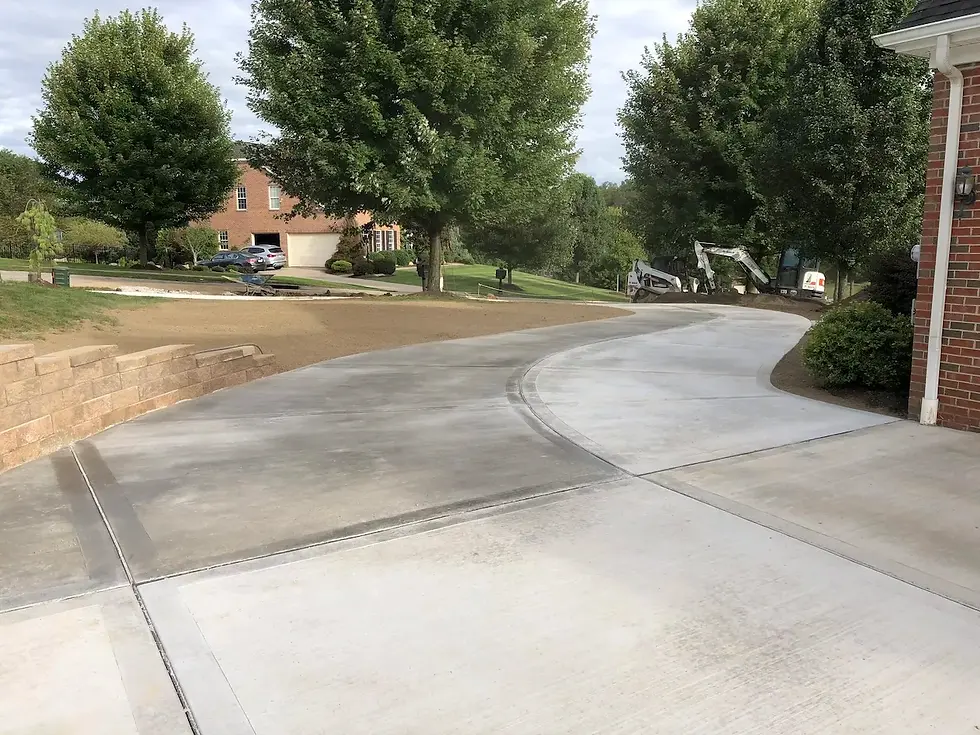
Concrete is known for its strength and long lifespan, but that strength does not develop immediately after it is poured. When fresh concrete is installed, it must go through a curing process before it can safely handle heavy use.
Many homeowners wonder how long they should wait before driving on a new concrete driveway or placing heavy objects on a patio or walkway. Allowing concrete to cure properly is one of the most important steps in ensuring the surface remains durable and long lasting.
Understanding the curing timeline helps prevent damage and protects the quality of the installation.
What Does It Mean for Concrete to Cure?
Concrete curing refers to the chemical process that occurs as cement reacts with water and gradually hardens into a solid material. This process is known as hydration.
During hydration, the concrete slowly gains strength over time. Although the surface may appear solid within a day or two, the internal structure continues strengthening for several weeks.
This is why curing time is essential before the concrete is exposed to heavy loads such as vehicles or construction equipment.
Proper curing also helps prevent problems like cracking, shrinkage, and surface weakness.
Typical Concrete Curing Timeline
Concrete strength develops gradually during the curing process. While exact timelines may vary depending on weather conditions and the concrete mix, most installations follow a similar schedule.
First 24 to 48 Hours
During the first two days, concrete begins to set and harden. At this stage, the surface should be protected from heavy activity.
Light foot traffic may sometimes be allowed after 24 to 48 hours, but the surface is still vulnerable to damage.
After 3 to 5 Days
Within a few days, the concrete continues gaining strength and stability. However, heavy loads should still be avoided during this period.
Contractors often recommend waiting longer before allowing vehicles on the surface.
After 7 Days
By the end of the first week, concrete typically reaches about 70 percent of its total strength. Many residential driveways can handle light vehicle traffic after this point.
Still, caution is recommended to prevent unnecessary stress on the surface.
After 28 Days
Concrete usually reaches its full design strength after approximately 28 days. At this point, the slab has completed the curing process and is ready for regular use without restrictions.
Why Proper Curing Time Matters
Allowing concrete to cure fully is essential for achieving maximum durability. If the surface is used too soon, several issues may occur.
Surface Damage
Heavy vehicles or equipment placed on freshly poured concrete can create dents, surface marks, or permanent structural weaknesses.
Cracking
Premature loading can create stress within the concrete before it has developed enough strength, leading to cracks.
Reduced Lifespan
Concrete that does not cure properly may wear down faster over time, reducing the lifespan of the driveway or patio.
Waiting for the recommended curing period helps protect the investment and ensures the concrete performs as expected.
Problem to Solution: Preventing Early Concrete Damage
The Problem
One of the most common mistakes homeowners make is using new concrete too soon. Because the surface appears solid shortly after installation, it may seem ready for normal use.
Driving on the surface or placing heavy items on it prematurely can cause damage that may not be immediately visible. Over time, this damage may lead to cracks, uneven surfaces, or reduced structural strength.
Once these problems occur, repairs may become necessary much sooner than expected.
The Solution
The best way to avoid early damage is to follow the recommended curing guidelines provided by professional contractors.
Contractors typically recommend waiting at least a week before driving on a newly installed concrete driveway. Even then, it is wise to avoid parking heavy vehicles in the same spot during the first few weeks.
Additional curing methods may also be used to protect the concrete during this period. These methods can include moisture retention techniques, protective coverings, or curing compounds that help regulate the hydration process.
With proper curing and patience, concrete surfaces can reach their full strength and provide reliable performance for many years.
Factors That Can Affect Curing Time
Several environmental and installation factors can influence how quickly concrete cures.
Weather Conditions
Temperature and humidity levels can significantly impact curing speed. Extremely hot weather may cause concrete to dry too quickly, while cold weather may slow the curing process.
Concrete Mix Design
Different concrete mixtures may cure at slightly different rates depending on the materials used.
Slab Thickness
Thicker concrete slabs may take longer to fully cure because there is more material undergoing the hydration process.
Installation Quality
Proper finishing techniques and curing practices help ensure the concrete develops consistent strength throughout the slab.
Experienced contractors monitor these conditions to ensure the curing process progresses correctly.
People Also Ask
Can you drive on concrete after three days?
It is generally best to wait at least seven days before driving on new concrete to allow sufficient strength to develop.
How long before you can walk on new concrete?
Most concrete surfaces can handle light foot traffic after 24 to 48 hours, depending on weather conditions and curing progress.
What happens if concrete cures too quickly?
If concrete dries too quickly, it may develop shrinkage cracks and lose strength. Proper curing helps regulate moisture levels and prevent this issue.
Does sealing affect curing time?
Sealing is typically done after the concrete has fully cured. Sealers help protect the surface but do not replace the curing process.
FAQ Section
Why does concrete take 28 days to cure?
Concrete reaches its maximum strength gradually as hydration continues. The 28-day period is the industry standard for full-strength development.
Can rain damage curing concrete?
Light rain usually does not harm curing concrete once it has begun setting, but heavy rain immediately after pouring can damage the surface.
Is it okay to park heavy vehicles on new concrete?
Heavy vehicles should be avoided during the early curing stages, especially within the first week.
Can curing time vary depending on the weather?
Yes. Temperature, humidity, and wind conditions can influence how quickly concrete cures.
We Are Ready to Help With Your Concrete Project
Proper curing is one of the most important factors in ensuring the long term durability of concrete surfaces. Allowing the right amount of time before heavy use helps prevent cracks, structural weakness, and premature wear.
At BRK Custom Concrete, we focus on professional installation and careful curing practices to ensure every driveway, patio, and concrete surface is built to last.
Call us today at (412) 419-8123 to speak with our team about your project, or fill out our form to request a FREE quote and learn more about our concrete services.


Comments