
What Causes Concrete to Crack and How Pittsburgh Contractors Prevent It

AI Overview
Concrete cracking stems from improper soil preparation, temperature fluctuations, excessive moisture, and poor installation practices that experienced contractors can prevent.
Pittsburgh's freeze-thaw cycles and clay soil conditions create unique challenges that require specialized concrete installation techniques and materials.
Professional contractors use proper reinforcement, control joints, adequate curing time, and quality materials to minimize cracking risks in concrete projects.
Preventive measures during installation cost far less than expensive repairs or replacement of cracked concrete surfaces later.

Picture this: you invested thousands in a beautiful new concrete patio last summer, and now ugly cracks zigzag across the surface like lightning bolts. What started as your dream outdoor space has become an eyesore that makes you cringe every time you step outside.
Concrete cracking isn't just cosmetic damage, it's a structural issue that worsens with every freeze-thaw cycle Pittsburgh weather throws at it. The good news: understanding what causes concrete to crack gives you the power to prevent it from happening in the first place. When you work with experienced Pittsburgh contractors who know how to handle our region's unique soil and climate challenges, you can enjoy durable driveways and patios that stand the test of time.
Why Concrete Cracking Prevention Matters for Pittsburgh Homeowners
Concrete cracking causes prevention Pittsburgh contractors understand involve more than just mixing cement and water correctly. Our region's challenging climate creates the perfect storm for concrete failure: dramatic temperature swings, heavy rainfall, and clay-rich soil that expands and contracts with moisture changes.
Pittsburgh homeowners face unique risks because our winters bring repeated freeze-thaw cycles that force water into tiny concrete pores, then expand when frozen to create internal pressure. Combined with the area's unstable soil conditions in neighborhoods from McMurray to Finleyville, even small installation mistakes can lead to major cracking problems within the first few years.
Primary Causes of Concrete Cracking in Pittsburgh
Several factors contribute to concrete failure, but most stem from preventable installation errors or environmental conditions that skilled contractors know how to address. Understanding these concrete cracking causes prevention Pittsburgh homeowners should know helps you make informed decisions about your project.
Poor soil preparation tops the list, allowing settling and shifting that creates uneven stress on concrete surfaces. When contractors skip proper excavation and compaction, your beautiful new patio becomes vulnerable to stress fractures within months.
Inadequate reinforcement with rebar or wire mesh leaves concrete vulnerable to tension forces. Temperature changes cause concrete to expand and contract, and without proper steel reinforcement, these forces create cracks that worsen over time.
Improper concrete mix ratios reduce strength and increase shrinkage during the curing process. Too much water weakens the final product, while insufficient cement fails to bind aggregates properly.
Missing or poorly placed control joints force concrete to crack in random, unsightly patterns instead of controlled locations. Professional contractors calculate exact spacing requirements based on project specifications and local conditions.
How Professional Installation Prevents Cracking
Quality concrete installation starts with thorough site preparation that addresses Pittsburgh's specific soil challenges. Experienced contractors excavate to proper depths, compact the subgrade, and install adequate base materials that provide stable support even when clay soils expand or contract with moisture changes.
The concrete mix itself requires careful attention to ratios and additives that help the material resist our region's harsh weather conditions. Professional contractors use air-entrained concrete that creates tiny bubbles to accommodate freeze-thaw expansion, reducing internal pressure that causes cracks.
Proper Reinforcement Techniques
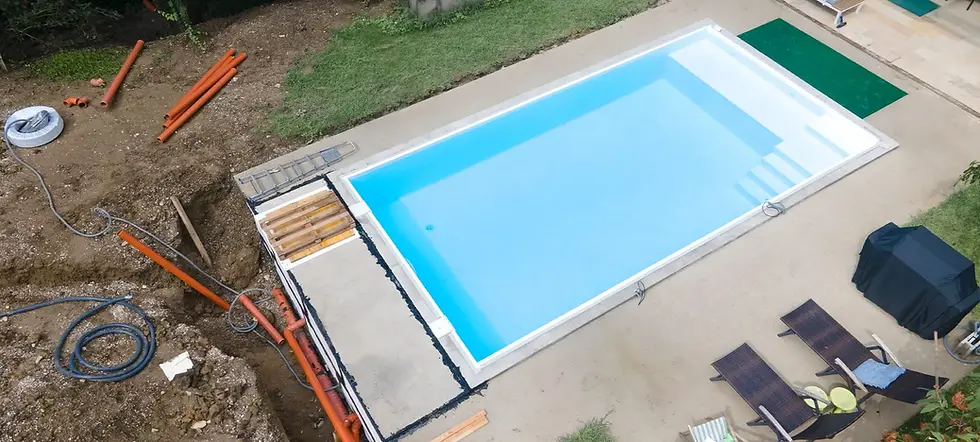
Steel reinforcement transforms concrete from a brittle material into a composite that can handle tension forces without failure. Contractors place rebar grids or welded wire mesh at the correct depth within the concrete slab, ensuring adequate coverage while maintaining proper spacing for maximum effectiveness. This reinforcement becomes especially critical for projects like pool decks that experience heavy loads and constant moisture exposure.
For larger projects or extensive patios, additional reinforcement around stress points prevents corner cracking and edge failures that commonly occur in unreinforced concrete installations. The investment in proper reinforcement pays dividends through decades of crack-free performance.
Strategic Control Joint Placement
Control joints create predetermined weak points that direct cracking into straight, hidden lines rather than allowing random crack patterns to develop across visible surfaces. Professional contractors calculate proper spacing based on concrete thickness and expected shrinkage, then cut or form joints at precise intervals.
These joints must extend at least one-quarter of the concrete thickness to be effective, and contractors seal them with flexible materials that prevent water infiltration while allowing normal concrete movement.
Environmental Factors and Protective Measures
Pittsburgh's weather patterns create ongoing challenges for concrete longevity, but proper installation techniques and materials can overcome most environmental stresses. Temperature extremes cause concrete to expand and contract, while moisture changes affect both the concrete itself and the supporting soil beneath.
Professional contractors account for these factors by using expansion joints around fixed structures like house foundations, selecting concrete mixes appropriate for local conditions, and applying protective sealers that reduce moisture penetration. Projects like sidewalks require special attention to drainage patterns that prevent water accumulation during Pittsburgh's heavy spring rains.
Investment Protection Through Quality Installation
Professional concrete installation costs more upfront than budget alternatives, but prevents expensive repairs or premature replacement that results from cracking failures. Quality contractors provide warranties that protect your investment and demonstrate confidence in their installation methods.
The typical concrete surface should last 20-30 years with proper installation and minimal maintenance. Cracked concrete often requires costly repairs within 3-5 years, making professional installation the economical choice for long-term value.
People Also Ask
What is the most common cause of concrete cracking?
Poor soil preparation is the leading cause of concrete cracking in Pittsburgh area homes. When contractors skip proper excavation, compaction, and base installation, shifting soil creates uneven support that leads to stress cracks within the first few years.
How long should concrete cure before it can handle freezing temperatures?
Fresh concrete needs at least 28 days to reach full strength, but it should cure for a minimum of 7 days before exposure to freezing temperatures. Pittsburgh contractors often schedule fall pours carefully to ensure adequate curing time before winter weather arrives.
Can small concrete cracks be repaired or will they keep spreading?
Small hairline cracks can often be repaired with specialized concrete crack fillers or sealers, but larger structural cracks typically continue spreading without professional intervention. The key is addressing cracks quickly before they allow water penetration that accelerates damage through freeze-thaw cycles.
Do concrete additives really prevent cracking?
Quality concrete additives like air entrainment agents and plasticizers significantly reduce cracking risks when used correctly by experienced contractors. These additives improve workability, reduce shrinkage, and help concrete resist freeze-thaw damage common in Pittsburgh's climate conditions.
FAQ
How can I tell if my concrete contractor uses proper crack prevention methods?
Look for contractors who discuss soil preparation, reinforcement placement, control joint spacing, and concrete mix specifications during their estimate process. Quality contractors explain how they address local soil conditions and provide detailed installation timelines that include adequate curing periods.
Is it worth paying more for reinforced concrete on residential projects?
Reinforced concrete costs 20-30% more than plain concrete but prevents most cracking failures that lead to expensive repairs or replacement. For projects like driveways and patios that see regular use, reinforcement provides essential protection against Pittsburgh's challenging soil and weather conditions.
What maintenance helps prevent concrete cracking after installation?
Regular sealing every 2-3 years protects concrete from moisture penetration and chemical damage, while prompt crack repair prevents small issues from becoming major problems. Keep drainage systems clear to prevent water from pooling around concrete surfaces during heavy rains.
Should I be concerned about hairline cracks in new concrete?
Minor hairline cracks within the first year are often normal shrinkage cracks that don't indicate structural problems. However, cracks wider than a credit card, cracks that grow over time, or multiple cracks in geometric patterns suggest installation issues that require professional evaluation.
Get Crack-Free Concrete That Lasts Decades in Pittsburgh
Don't gamble with your concrete investment by choosing contractors who cut corners on preparation and materials. With over 15 years of experience serving Pittsburgh, McMurray, Washington County, and Allegheny County homeowners, our team understands exactly what it takes to create durable concrete that resists cracking in our challenging climate. We've helped hundreds of Pittsburgh area residents enjoy beautiful outdoor spaces that maintain their appearance and structural integrity year after year.
Whether you're planning new retaining walls, patios, or pool decks, the installation techniques we use today determine whether you'll be dealing with ugly cracks and costly repairs in just a few years. Our proven methods for soil preparation, reinforcement, and concrete placement have protected countless local homes from the cracking problems that plague poorly installed concrete. From decorative concrete countertops to large outdoor installations, we apply the same meticulous attention to crack prevention techniques.
Visit BRK Custom Concrete or call 412-419-8123 today. Your concrete project deserves installation methods that prevent cracking from day one. Contact us for more information.



Comments