
Concrete vs. Asphalt Driveways: What Pittsburgh Homeowners Need to Consider

AI Overview
Concrete driveways typically last 25-30 years compared to asphalt's 15-20 years, making them a better long-term investment for Pittsburgh homeowners.
Pittsburgh's freeze-thaw cycles can cause significant cracking in asphalt driveways, while properly installed concrete handles temperature fluctuations better.
Concrete offers extensive customization options including stamped patterns and colors, while asphalt provides limited aesthetic choices.
Initial concrete installation costs more than asphalt, but concrete's durability and lower maintenance requirements often result in better value over time.
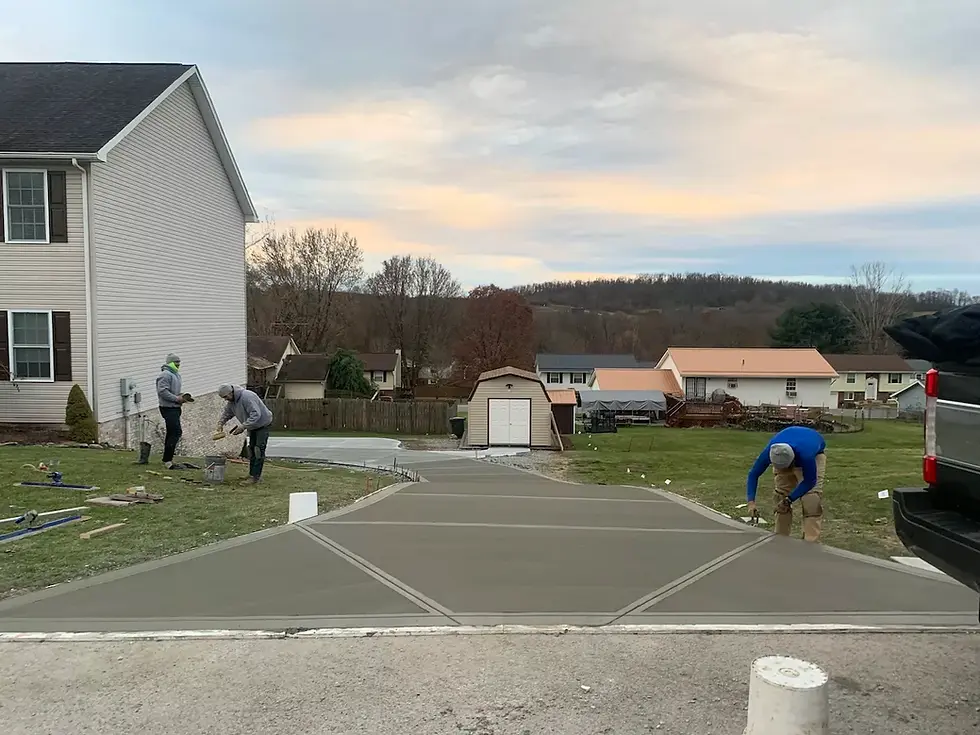
Nearly 85% of driveways in older Pittsburgh neighborhoods show visible cracking, staining, or deterioration after just five years. Your driveway represents one of the largest surfaces on your property, yet many homeowners rush into material decisions without considering Pittsburgh's unique climate challenges.
Pittsburgh's harsh winters, with repeated freeze-thaw cycles, can destroy poorly chosen driveway materials within a few seasons. The good news: selecting the right material upfront saves thousands in repairs and replacements down the road. Professional Driveways installation using quality materials designed for Western Pennsylvania's climate ensures your investment pays off for decades.
Why This Matters for Pittsburgh Drivers
Concrete vs asphalt driveway Pittsburgh decisions impact your daily life more than most homeowners realize. Every morning, you depend on a stable, safe surface to get your family where they need to go, regardless of weather conditions.
Pittsburgh's unique geography creates specific challenges for driveway materials. Our rolling hills mean many driveways have slopes that require superior traction and stability. Combined with heavy snow loads, ice formation, and temperature swings from below zero to 80+ degrees, your driveway material choice directly affects both safety and long-term costs.
Material Comparison: Concrete vs. Asphalt Performance
Both materials serve the same basic function, but their performance in Pittsburgh's climate varies dramatically. Here are the key differences every homeowner should understand:
Concrete withstands freeze-thaw cycles better due to its lower water absorption rate
Asphalt becomes soft and pliable in extreme summer heat, leading to tire marks and deformation
Concrete maintains structural integrity for 25-30 years with proper installation
Asphalt requires seal coating every 2-3 years to prevent water infiltration and cracking
Concrete offers unlimited color and pattern options through stamping and staining techniques
Installation Process and Timeline Differences
Concrete installation requires a more complex process but delivers superior long-term results. The installation begins with proper excavation and base preparation, followed by forming, reinforcement placement, and concrete pouring.
Asphalt installation appears faster initially since the material can be driven on within 24-48 hours. However, this quick cure time often masks underlying issues with base preparation that become expensive problems later.
Concrete Installation Steps
Professional concrete installation follows a systematic approach that ensures decades of performance. First, contractors excavate to proper depth and grade the base material for optimal drainage. Next, they install reinforcement such as rebar or wire mesh to prevent cracking from ground movement.
The concrete pour itself requires precise timing and weather conditions. Temperature, humidity, and wind all affect the curing process, which is why experienced contractors like those serving Pittsburgh understand when to schedule pours for optimal results.
Asphalt Installation Considerations
Asphalt installation requires hot material that must be laid and compacted quickly. The base preparation proves just as critical as with concrete, but many asphalt contractors cut corners on this step to reduce costs.
Temperature restrictions limit asphalt installation to warmer months, while concrete can be installed year-round with proper techniques. This scheduling flexibility often matters for Pittsburgh homeowners planning renovations around weather windows.
Maintenance Requirements and Long-Term Care
Concrete driveways require minimal maintenance when properly installed with adequate drainage and joint spacing. Occasional cleaning and resealing every 5-7 years keeps concrete looking fresh while protecting the surface from stains and minor wear.
Asphalt demands more frequent attention to maintain its appearance and structural integrity. Annual crack sealing, regular cleaning to prevent oil stains from penetrating, and periodic seal coating add up to significant maintenance costs over time. Pittsburgh's harsh winters accelerate this maintenance cycle, often requiring repairs after each freeze-thaw season.
Cost Analysis: Initial Investment vs. Lifetime Value
Concrete installation typically costs 30-50% more upfront compared to asphalt for the same square footage. However, this initial investment often proves more economical when calculated over the driveway's entire lifespan.
Asphalt's lower initial cost gets offset by maintenance expenses, earlier replacement needs, and potential property value impacts. Concrete's durability, combined with its design flexibility, often increases property values more than asphalt installations. Many Pittsburgh homeowners find that concrete Patios and driveways create cohesive outdoor living spaces that enhance their home's overall appeal.
People Also Ask
How long do concrete driveways last compared to asphalt in Pittsburgh?
Concrete driveways typically last 25-30 years in Pittsburgh's climate with proper installation and minimal maintenance. Asphalt driveways generally require replacement after 15-20 years due to freeze-thaw damage and regular wear from snow removal equipment.
What are the main advantages of concrete over asphalt for Pittsburgh driveways?
Concrete offers superior durability against Pittsburgh's freeze-thaw cycles, unlimited design options through stamping and coloring, and lower long-term maintenance costs. Concrete also provides better traction in winter conditions and resists damage from snow plows and ice melt chemicals.
How much does a concrete driveway cost compared to asphalt in Pittsburgh?
Concrete driveways cost approximately 30-50% more initially than asphalt installations in the Pittsburgh area. However, concrete's longer lifespan and lower maintenance requirements often result in better overall value, especially when factoring in Pittsburgh's harsh winter conditions that accelerate asphalt deterioration.
Can concrete driveways handle Pittsburgh winters better than asphalt?
Yes, concrete handles Pittsburgh winters significantly better than asphalt due to its lower water absorption and superior resistance to freeze-thaw cycles. Properly installed concrete with adequate reinforcement and drainage maintains its structural integrity through repeated temperature fluctuations that cause asphalt to crack and deteriorate.
FAQ
Do I need special permits for driveway installation in Pittsburgh?
Most residential driveway replacements in Pittsburgh do not require permits if you're staying within existing boundaries. However, new driveways or those that alter drainage patterns may require permits from your local municipality. Your contractor should verify permit requirements during the initial consultation.
How long after installation can I drive on my new concrete driveway?
You can typically drive on a new concrete driveway after 7 days, though light foot traffic is usually safe after 24-48 hours. Full strength develops over 28 days, so avoid heavy vehicles or equipment during this period to prevent surface damage or impressions.
What's the best time of year to install a concrete driveway in Pittsburgh?
Spring through fall offers ideal conditions for concrete installation in Pittsburgh, with temperatures between 50-80°F providing optimal curing conditions. Winter installations are possible with special techniques and additives, but scheduling flexibility makes warmer months preferable for most projects.
Will tree roots damage my concrete driveway?
Large tree roots can potentially lift or crack concrete driveways over time, especially if trees are planted too close to the installation area. Proper planning during design includes root barriers or adequate spacing from mature trees, while smaller ornamental trees typically pose minimal risk to properly installed concrete.
Ready to Transform Your Pittsburgh Property with Expert Concrete Installation?
Choosing between concrete and asphalt for your Pittsburgh driveway represents a significant investment in your property's future. With years of experience serving Pittsburgh, McMurray, Finleyville, and surrounding areas, our team understands exactly how local climate conditions affect different materials and installation techniques.
Don't let another harsh Pittsburgh winter damage an inadequate driveway surface. Quality concrete installation protects your investment while creating the attractive, durable entrance your home deserves. Our comprehensive approach includes everything from Pool Decks to Retaining Walls, ensuring your entire outdoor space works together beautifully.
Visit BRK Custom Concrete or call 412-419-8123 today. Our expert team provides detailed consultations that help you make the right material choice for your specific property and budget. Contact us for more information.



Comments