
What Is Site Excavation and Is It Essential Before Any Concrete Pour?

Key Takeaway
Proper site excavation removes unstable soil and creates a level, compacted base that prevents concrete slabs from cracking or settling over time.
Pittsburgh-area clay soils require specific subgrade preparation and compaction before any concrete pour, or slabs will shift unevenly within a few seasons.
Structural footings for projects like pool decks and retaining walls must be set below the region's 36-inch frost line to survive Western PA's freeze-thaw cycles.
Skipping or rushing the excavation phase is one of the most common reasons concrete driveways, patios, and sidewalks fail prematurely.

Concrete is only as strong as what sits beneath it. You can pour the most perfectly mixed slab in Western PA, and it will still crack, sink, or heave within a few years if the ground underneath was never properly prepared. This is the reality many homeowners in McMurray and across Pittsburgh learn the hard way after a contractor skips the groundwork to save time or money.
The problem runs deeper than it looks, literally. Poor site preparation leads to uneven settling, water pooling, structural failure, and expensive repairs that could have been avoided entirely. If you are planning a new Excavation project or any concrete installation around your home, understanding what site excavation actually involves will help you ask the right questions and hire the right team. Pittsburgh, PA homeowners who get this step right enjoy concrete that lasts for decades.
How the Pittsburgh, PA Climate Makes Excavation Non-Negotiable
Site excavation before concrete is not a formality in Western PA. It is a structural requirement driven directly by the region's climate and soil conditions. Pittsburgh experiences hard freeze cycles every winter, and when moisture in poorly prepared ground freezes and expands, it pushes slabs upward and pulls them back down as it thaws. Repeat that process over several winters and even a thick slab will crack.
The soil composition around Pittsburgh, McMurray, and Finleyville adds another layer of complexity. Clay-heavy subgrade is common throughout this area, and clay retains water instead of draining it. When that saturated clay freezes, the ground movement is significant enough to shift entire slabs. Proper compaction and a well-graded aggregate base are the only reliable way to neutralize that risk before a single yard of concrete is poured.
What Site Excavation Actually Involves
Excavation is not simply digging a hole. It is a calculated process of removing unstable material, shaping the ground, and building a base that gives concrete a stable, long-lasting foundation to rest on.
Here is what a proper excavation process typically includes:
Stripping topsoil and organic material that would compress under load
Grading the area to establish correct slope and drainage direction
Compacting the subgrade soil in layers to eliminate future settlement
Installing a gravel or crushed stone base of appropriate depth
Setting forms and checking elevations before the pour begins
Each of these steps directly affects how the finished concrete performs. Skipping one creates a weak point that the freeze-thaw cycle, heavy vehicle weight, or simple gravity will eventually find.
Why Depth and Base Material Matter More Than Most Homeowners Realize
The thickness of a concrete slab gets a lot of attention, but the depth of excavation and the quality of the base material beneath it matter just as much. A four-inch slab sitting on six inches of well-compacted gravel over properly prepared subgrade will outlast a six-inch slab poured directly onto unprepared clay.
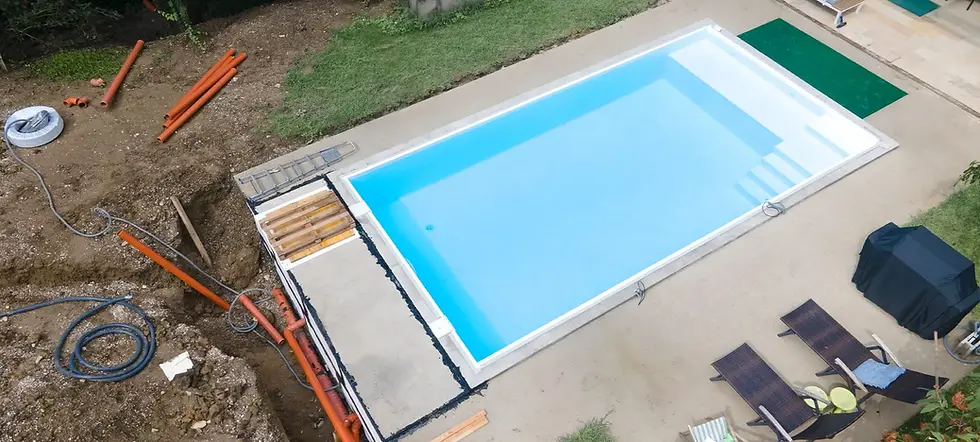
For projects that carry heavier loads or face greater structural demands, the requirements go even further. Footings for Pool Decks and retaining walls in the Pittsburgh area must be set below the regional frost line, which sits at 36 inches. That depth keeps the footing anchored in stable ground that freeze-thaw cycles cannot reach. Without it, seasonal frost movement will eventually lift and tilt the structure.
Drainage Is Built Into the Excavation, Not Added Later
One of the most overlooked benefits of proper excavation is drainage. A correctly graded site channels water away from the slab and the structure it supports. This is especially important on Pittsburgh's hillside lots and properties with natural grade changes.
When drainage is ignored at the excavation stage, water pools under and around the concrete. Over time, that moisture erodes the base, accelerates freeze-thaw damage, and undermines the subgrade. Getting the slope right before the pour means the finished surface sheds water cleanly for the life of the project.
Compaction Is Not Optional
Compaction is the step that transforms loose disturbed soil into a stable platform. Excavation disturbs the ground, and disturbed soil is compressible. Without mechanical compaction in controlled lifts, the ground beneath the slab will continue settling long after the concrete has hardened.
This is especially true on sites where fill material has been added or where the natural grade has been altered. Proper compaction testing ensures the base meets the load requirements of the planned installation before any forming or pouring begins.
How Excavation Connects to Every Concrete Project on Your Property
Site preparation requirements are not the same for every project. A concrete driveway carries vehicle loads and requires a deeper, more aggressively compacted base than a garden path. A concrete patio needs precise grading to drain away from the house foundation. A retaining wall requires engineered footings and proper backfill compaction to resist lateral soil pressure.
If you are curious about what quality results look like before and after a full installation, the blog post Before and After: Custom Concrete Patio Transformations in Pittsburgh shows how thorough site prep translates into finished surfaces that hold up and look exceptional. Understanding what goes into the surface finish also matters, and Stamped Concrete Sealing: When and How Often to Seal covers how to protect decorative work once it is in place.
Cost and Timeline Considerations for Excavation
Excavation adds time and cost to a concrete project, and both variables depend on site-specific conditions. Rocky ground, steep slopes, limited equipment access, and the need to haul away significant volumes of material all affect the scope. Projects in Finleyville and the surrounding Washington County area often involve sloped terrain that requires more precise grading work than a flat suburban lot.
A few practical points to keep in mind:
Excavation depth varies by project type, load requirements, and local frost line depth
Poor access for equipment can extend the excavation phase and affect overall project scheduling
Costs vary by site conditions, and the only accurate figure comes from an on-site assessment
No verified pricing applies universally here. Contact a local concrete contractor for a quote specific to your property and project.
People Also Ask
What is the purpose of excavation before pouring concrete?
Excavation removes unstable topsoil, organic material, and compressible clay so the concrete rests on a stable, load-bearing base. Without it, the slab has nowhere firm to sit and will settle, crack, or heave as the ground shifts with moisture and temperature changes. Proper excavation also establishes the drainage slope that keeps water from undermining the finished surface.
How deep should you excavate before pouring a concrete slab?
Depth depends on the project type, expected load, and local frost conditions. A residential patio may require four to six inches of excavation for the base plus slab thickness, while a driveway or structural footing will go deeper. In the Pittsburgh area, footings for structural elements like retaining walls must reach below the 36-inch frost line.
Do I need to excavate for a concrete driveway?
Yes. A concrete driveway carries significant vehicle weight repeatedly over its lifetime and requires a properly excavated and compacted base to handle that load without cracking or settling. Skipping this step is one of the most common reasons residential driveways develop cracks and surface failure within just a few years of installation.
What happens if you pour concrete on uncompacted soil?
Uncompacted soil will continue to settle after the pour, creating voids beneath the slab. Those voids cause the concrete to flex under load, which leads to cracking, sinking, and surface failure. In clay-heavy soils common to Western PA, the risk is amplified because clay also retains water that freezes and creates additional ground movement.
FAQ
Can excavation be skipped if the existing ground looks level and firm?
Appearances can be misleading, especially with clay-heavy soil common in the Pittsburgh area. Ground that looks stable at the surface may be saturated or poorly compacted a few inches down. A qualified concrete contractor will assess the subgrade conditions before recommending the appropriate excavation depth and base preparation for your specific site.
How long does site excavation take before a concrete project begins?
Timeline depends on the size of the area, site conditions, equipment access, and whether material needs to be hauled away. A straightforward residential patio excavation may take a day, while a larger driveway or retaining wall project involving grading and significant material removal can take longer. Your contractor will give you a more accurate timeline after assessing the site.
Will excavation disturb my existing landscaping or yard?
Some disruption is unavoidable, and the extent depends on the project location and access requirements. A reputable contractor will plan the excavation approach to minimize impact on surrounding areas and discuss access routes and staging with you before work begins.
Is site excavation included in a standard concrete contractor quote?
It should be, and you should ask specifically if it is. Some quotes separate excavation and base preparation as line items while others include them in a total project price. Clarifying this before signing a contract helps you compare quotes accurately and ensures there are no unexpected additions once work begins.
BRK Custom Concrete Builds It Right From the Ground Up
Every great concrete project in Pittsburgh starts well below the surface. Our team has helped hundreds of homeowners across Pittsburgh, McMurray, Finleyville, and the surrounding Western PA communities get concrete installations that hold up through decades of harsh winters and heavy use, because we never cut corners on site preparation. From the first grade cut to the final troweled finish, every phase is done with the care and precision your investment deserves.
Whether you are planning a new driveway, a stamped concrete patio, or a structural retaining wall, the foundation work we do before the pour is what separates a lasting result from a costly repair job in a few years. If you want to see what thoughtful design and expert preparation look like in a finished project, explore our Concrete Countertops and other services, or browse the full range of work we do for Western PA homeowners.
Visit BRK Custom Concrete or call 412-419-8123 today. Proper site excavation is the difference between concrete that lasts and concrete that fails, and our team makes sure yours is built to last from the ground up. Contact us for more information.



Comments