
How Long Does a Concrete Driveway Usually Last?

AI Overview
A properly installed concrete driveway can typically last 25 to 40 years or more with the right maintenance.
Longevity depends on factors such as installation quality, climate, soil stability, and daily use.
Preventive care, like sealing, proper drainage, and crack repairs, can significantly extend its lifespan.
Working with experienced contractors helps ensure the driveway is installed correctly for long-term durability.
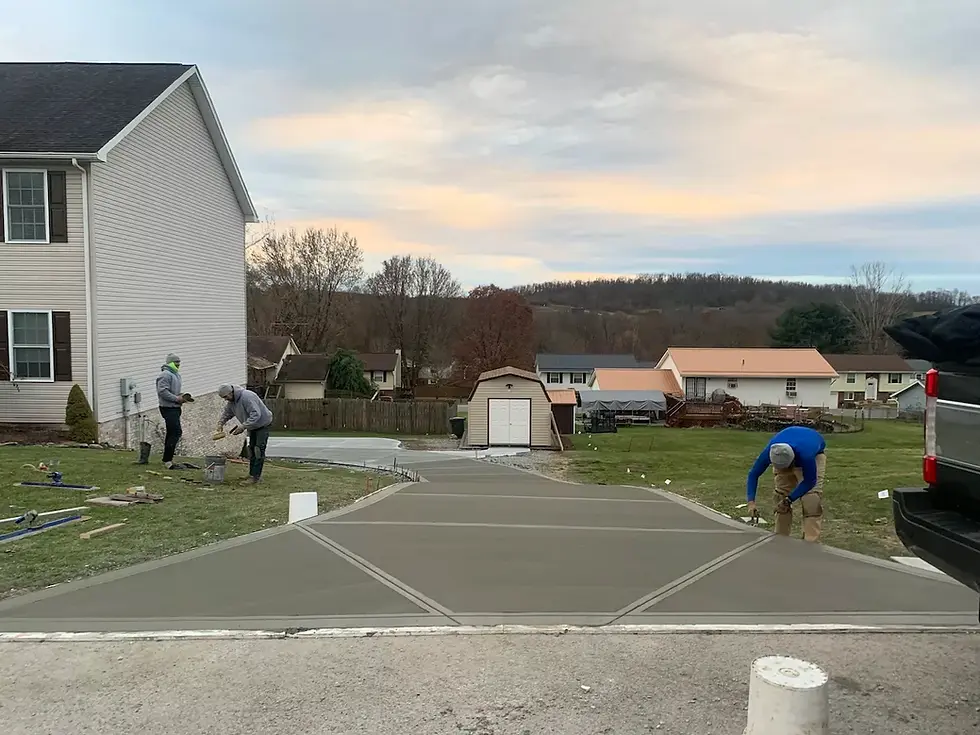
Concrete driveways are one of the most common choices for homeowners because of their strength, clean appearance, and long service life. Compared to other driveway materials, concrete can provide decades of reliable performance when it is installed properly and cared for over time.
However, many homeowners wonder how long they should realistically expect their driveway to last before repairs or replacement become necessary. Understanding what affects the lifespan of concrete helps property owners make informed decisions and protect their investment.
What Is the Average Lifespan of a Concrete Driveway?
A standard residential concrete driveway usually lasts between 25 and 40 years. In many cases, well-installed driveways can even exceed that range when they are maintained properly.
Several elements determine how long a driveway will hold up, including installation quality, thickness of the concrete slab, soil stability beneath the driveway, weather exposure, vehicle weight, traffic frequency, and routine maintenance.
Concrete is known for its durability because it forms a solid, rigid surface capable of supporting significant weight. This makes it ideal for residential driveways where cars, trucks, and delivery vehicles regularly travel.
The key factor, however, is proper installation from the start. When concrete is poured with the correct thickness, reinforcement, and base preparation, it is much more likely to last several decades.
Factors That Affect the Lifespan of Concrete Driveways
Although concrete is strong, several conditions influence how long a driveway remains in good condition.
Installation Quality
The most important factor in driveway longevity is how well the concrete was installed. Professional contractors prepare the ground carefully before pouring the concrete. This includes creating a stable base, compacting the soil, and ensuring proper grading for drainage. Without these steps, the concrete may settle unevenly or crack prematurely.
Reinforcement, such as rebar or wire mesh, also strengthens the slab and helps distribute weight more evenly.
Concrete Thickness
Residential driveways are typically poured at four to six inches thick. This thickness allows the surface to support regular vehicle traffic without excessive stress. Thinner slabs are more likely to crack or deteriorate earlier than expected.
Weather and Climate
Climate conditions play a major role in concrete durability. Areas that experience freezing temperatures often see more wear due to freeze-thaw cycles. When water seeps into small cracks and freezes, it expands and can gradually widen those cracks over time.
Proper sealing and drainage can help minimize this risk.
Drainage and Water Exposure
Standing water is one of the biggest threats to any concrete surface. Poor drainage can cause moisture to weaken the base underneath the slab. Over time, this may lead to sinking sections or cracks forming across the driveway.
Daily Usage
Heavy vehicles such as delivery trucks, large SUVs, or construction equipment place additional stress on concrete driveways. Driveways designed with adequate thickness and reinforcement are better equipped to handle this type of load.
Problem to Solution: Preventing Premature Concrete Driveway Damage
The Problem
Many homeowners expect their driveways to last for decades, but some begin to experience issues much earlier than expected. Common problems include cracking, surface flaking, sinking sections, uneven surfaces, and drainage issues.
These problems often develop because of poor installation, soil movement, or lack of maintenance. In some cases, small cracks that go untreated allow water to penetrate the concrete and create more severe structural damage. When these issues appear, homeowners may worry that full driveway replacement is the only option.
The Solution
Fortunately, many of these issues can be prevented or minimized with proper planning and care. Working with experienced contractors ensures the driveway is installed with proper grading, reinforced concrete, sufficient thickness, expansion joints to manage movement, and strong base preparation.
Routine maintenance also plays a major role in preserving the driveway. Helpful maintenance practices include sealing the surface periodically, addressing small cracks early, keeping water away from the driveway edges, and avoiding heavy equipment when possible.
When these practices are followed, a concrete driveway can remain structurally sound and visually appealing for many years.
Signs Your Concrete Driveway May Need Repair
Even long-lasting driveways eventually show signs of wear. Identifying early warning signs helps homeowners take action before more serious damage occurs.
Common indicators include widening cracks, surface flaking, uneven sections, and drainage problems. Small hairline cracks are normal in concrete, but cracks that grow wider over time may signal underlying issues. Flaking or chipping can occur due to moisture exposure or winter deicing chemicals. If parts of the driveway begin to sink or rise, the soil underneath may have shifted. Water pooling on the driveway surface can also accelerate deterioration.
A professional evaluation can determine whether repairs, resurfacing, or replacement is the best option.
People Also Ask
Is a concrete driveway better than asphalt?
Concrete driveways generally last longer than asphalt driveways. While asphalt typically lasts about 15 to 20 years, concrete can last 25 to 40 years or more when installed properly.
How often should concrete driveways be sealed?
Most concrete driveways benefit from sealing every two to five years, depending on climate conditions and surface wear.
Can cracked concrete driveways be repaired?
Yes. Many cracks can be filled or sealed to prevent further damage. Larger structural cracks may require professional repair or partial replacement.
Does reinforcement make concrete driveways stronger?
Reinforcement, such as steel rebar or wire mesh, helps distribute weight across the slab and reduces the likelihood of major cracking.
FAQ Section
What is the longest-lasting driveway material?
Concrete is considered one of the longest-lasting driveway materials available for residential homes. With proper installation and maintenance, it can last several decades.
How long does it take to install a concrete driveway?
Most residential concrete driveways take one to three days to install, followed by a curing period before heavy vehicles should be placed on the surface.
Can weather damage concrete driveways?
Yes. Freeze thaw cycles, excessive moisture, and extreme temperature changes can gradually weaken concrete if it is not sealed or maintained properly.
Should expansion joints be included in driveways?
Expansion joints allow the concrete to expand and contract as temperatures change. These joints help prevent uncontrolled cracking across the surface.
Let Us Help Plan a Long-Lasting Driveway
A well-built concrete driveway is an investment that can add durability, functionality, and curb appeal to any home. When installation is handled properly and routine maintenance is followed, concrete driveways can provide reliable performance for decades.
At BRK Custom Concrete, we focus on precision workmanship and quality materials to ensure every driveway project is built for long-term strength and durability.
Call us today at (412) 419-8123 to discuss your project with our team, or fill out our form to request a FREE quote, and we will help you explore the best concrete driveway options for your property.


Comments