
What Causes Concrete to Crack and How Pittsburgh Contractors Prevent It

AI Overview
Concrete cracking stems from poor preparation, weather extremes, and improper curing that Pittsburgh contractors can prevent through expert installation techniques.
Settlement cracks occur when soil beneath concrete shifts, making proper excavation and base preparation critical for long-term durability.
Temperature fluctuations cause concrete expansion and contraction, requiring strategic control joints and proper reinforcement to manage stress.
Professional concrete contractors use proven methods like proper mix design, adequate curing time, and weather-appropriate installation schedules to eliminate most cracking issues.
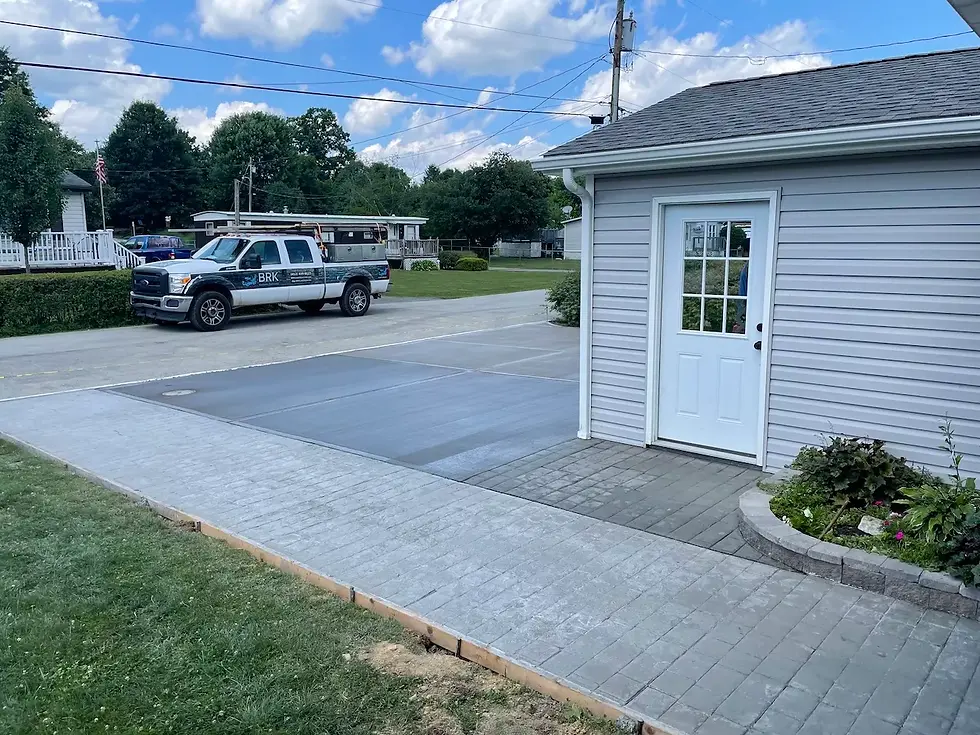
Concrete cracks appear in 90% of residential installations within the first five years, turning beautiful driveways and patios into eyesores that diminish property value. Whether you notice hairline fractures spreading across your driveway or jagged splits cutting through your patio, these unsightly problems signal deeper issues that only get worse with time.
The frustrating reality is that most concrete cracking is completely preventable with proper installation techniques and materials. Pittsburgh homeowners face unique challenges from freeze-thaw cycles, clay soils, and temperature swings that demand expert knowledge and proven methods. Professional contractors who understand local conditions can deliver concrete installations that remain crack-free for decades, protecting your investment in beautiful Driveways and outdoor living spaces.
Why This Matters for Pittsburgh Homeowners
Concrete cracking causes prevention Pittsburgh requires understanding the specific environmental challenges our region presents to outdoor concrete installations. Pittsburgh's clay-heavy soils expand and contract with moisture changes, while winter freeze-thaw cycles create internal pressure that can destroy poorly installed concrete within just a few seasons.
Local homeowners who ignore early warning signs often face complete replacement costs that exceed $15,000 for driveways and $25,000 for pool decks. The good news is that working with experienced contractors who understand Pittsburgh's unique soil conditions, drainage patterns, and weather cycles prevents these costly failures before they start.
Primary Causes of Concrete Cracking
Understanding why concrete fails helps homeowners make informed decisions about installation and maintenance. Here are the most common causes of concrete cracking in residential applications:
Poor soil preparation creates uneven support that leads to settlement cracks
Inadequate reinforcement allows concrete to fail under normal stress loads
Improper curing prevents concrete from reaching full strength and durability
Missing or poorly placed control joints concentrate stress in random locations
Freeze-thaw damage occurs when water penetrates and expands inside the concrete
How Professional Installation Prevents Cracking
Preventing concrete cracks starts with thorough site preparation that addresses soil conditions, drainage, and base materials. Expert contractors excavate to proper depths, compact subgrade materials, and install aggregate bases that provide consistent support across the entire installation area.
Proper reinforcement placement ensures concrete can handle both compression and tension forces without failing. This includes strategic placement of rebar or wire mesh, adequate concrete thickness for the intended use, and control joints that direct cracking to predetermined locations where it remains nearly invisible.
Soil and Base Preparation
Professional contractors begin every project by evaluating soil conditions and drainage patterns that affect long-term stability. Pittsburgh's clay soils require specific compaction techniques and often benefit from geotextile fabric that prevents mixing between subgrade and base materials.
Proper base preparation includes installing 4 to 6 inches of crushed stone aggregate, compacted in lifts to achieve maximum density. This creates a stable foundation that distributes loads evenly and provides drainage that prevents water from pooling beneath the concrete slab.
Strategic Control Joint Placement
Control joints are planned weak points that direct cracking to locations where it remains hidden and structurally insignificant. Professional contractors space these joints at intervals no greater than 24 to 30 times the slab thickness, creating panels that can move independently without affecting adjacent areas.
These joints are either tooled into fresh concrete or saw-cut within 24 hours of placement. Proper timing ensures joints penetrate 25% of the slab thickness, providing adequate stress relief without compromising structural integrity.
Weather Considerations for Pittsburgh Installations
Pittsburgh's climate presents specific challenges that require careful timing and specialized techniques for concrete placement. Temperature extremes, humidity levels, and precipitation patterns all affect curing rates and final strength development in ways that inexperienced contractors often underestimate.
Professional contractors monitor weather forecasts and adjust mix designs, placement schedules, and curing methods to ensure optimal results regardless of seasonal conditions. This includes using air-entraining admixtures for freeze-thaw resistance and scheduling pours during temperature ranges that promote proper hydration without rapid moisture loss.
Investment and Timeline Considerations
Quality concrete installation represents a significant investment that pays dividends through decades of maintenance-free performance. Professional installation for Patios typically ranges from $8 to $15 per square foot, while driveways cost $12 to $20 per square foot depending on thickness, reinforcement, and decorative options.
Most residential concrete projects require 3 to 5 days from excavation to final finishing, followed by a 28-day curing period for full strength development. Weather conditions can extend timelines, but rushing the process inevitably leads to cracking problems that require expensive repairs within the first few years.
People Also Ask
What is the most common cause of concrete cracking in driveways?
Settlement cracking caused by inadequate soil preparation accounts for most driveway failures in the Pittsburgh area. Poor compaction and insufficient base materials allow uneven settling that creates stress concentrations exceeding concrete's tensile strength.
How long does concrete take to cure enough to prevent cracking?
Concrete reaches sufficient strength to resist most cracking within 7 days under normal conditions, but full curing takes 28 days. Proper curing involves maintaining adequate moisture and temperature throughout this period to achieve maximum durability and crack resistance.
Can concrete cracks be prevented completely?
Professional installation with proper soil preparation, adequate reinforcement, and strategic control joints prevents 95% of concrete cracking issues. While some minor hairline cracks may develop over decades, structural cracking that affects appearance and function is completely preventable.
Do control joints prevent all types of concrete cracking?
Control joints prevent random cracking by directing stress to predetermined locations, but they cannot prevent cracks caused by settlement, inadequate reinforcement, or poor curing practices. Comprehensive crack prevention requires attention to all aspects of design and installation.
FAQ
Should I be concerned about small hairline cracks in new concrete?
Minor surface cracks less than 1/16 inch wide are often cosmetic issues that do not affect structural integrity, but they should be sealed to prevent water penetration. Any crack wider than 1/8 inch or cracks that show vertical displacement indicate more serious problems requiring professional evaluation.
How do Pittsburgh weather conditions affect concrete cracking?
Pittsburgh's freeze-thaw cycles create internal pressure when water trapped in concrete expands during freezing, while clay soils expand and contract with seasonal moisture changes. Professional contractors use air-entraining admixtures and proper drainage to address both challenges.
What type of reinforcement prevents concrete cracking best?
Rebar provides the strongest reinforcement for structural applications like Retaining Walls, while wire mesh works well for residential slabs. Fiber reinforcement distributed throughout the mix helps control shrinkage cracking during curing.
When should concrete repairs be done versus complete replacement?
Cracks wider than 1/4 inch, multiple cracks, or areas showing settling typically require replacement rather than repair. Professional contractors can evaluate crack patterns to determine whether repairs will provide lasting solutions or merely delay inevitable replacement costs.
Get Professional Concrete Installation That Lasts
Working with experienced concrete contractors eliminates the frustration and expense of dealing with cracked driveways, patios, and Pool Decks that diminish your property value and create safety hazards. Our team has helped hundreds of Pittsburgh homeowners create beautiful, durable concrete installations that remain crack-free for decades through proper preparation, expert installation, and attention to local soil and weather conditions.
Don't risk your investment in substandard concrete work that will crack and fail within just a few years. Professional installation costs more initially but delivers decades of maintenance-free performance that saves thousands in repair and replacement expenses while maintaining your home's curb appeal and value.
Visit BRK Custom Concrete or call 412-419-8123 today. Our expert craftsmen deliver concrete installations built to withstand Pittsburgh's challenging conditions. Contact us for more information.


Comments