
How Excavation Prep Affects the Quality of Your Concrete Project

AI Overview
Proper excavation depth and soil compaction directly determine whether your concrete will crack or last for decades.
Poor drainage planning during excavation leads to water damage, settling, and costly repairs within the first few years.
Soil testing and grading before excavation prevents foundation issues that can destroy even the highest quality concrete mix.
Professional excavation equipment creates precise grade levels that DIY methods simply cannot achieve for long-lasting results.

Nearly 40% of concrete failures stem from inadequate foundation preparation, not poor concrete quality. Your beautiful new driveway, patio, or pool deck depends entirely on what happens below ground before the first drop of concrete is ever poured.
Most homeowners focus on choosing decorative finishes and colors while overlooking the critical foundation work that determines whether their investment will crack, settle, or drain properly. The good news: understanding excavation prep helps you make informed decisions and ensures your Pittsburgh, PA concrete project delivers the durability and beauty you expect. Professional Excavation services create the stable foundation your outdoor living space needs to withstand Pennsylvania's freeze-thaw cycles.
Why This Matters for Pittsburgh, PA Homeowners
Excavation prep concrete project quality becomes especially critical in Pittsburgh's challenging climate conditions. Our region experiences significant temperature swings, heavy rainfall, and freeze-thaw cycles that can destroy poorly prepared concrete foundations within just a few seasons.
Pittsburgh's clay-heavy soils and hilly terrain create unique drainage challenges that require expert excavation techniques. Without proper soil analysis, compaction, and grading, even premium concrete will crack, shift, or develop standing water issues that compromise both appearance and structural integrity.
How Excavation Prep Determines Your Concrete's Lifespan
Proper excavation creates the stable, well-draining foundation that separates concrete projects lasting decades from those requiring repairs within years. Every aspect of the excavation process directly impacts your finished surface's performance and appearance.
Precise depth calculations ensure adequate base material thickness for your specific soil conditions and intended use.
Soil compaction eliminates air pockets and soft spots that cause uneven settling and crack formation.
Proper grading establishes drainage slopes that direct water away from the concrete surface.
Base material selection and installation create a stable platform that distributes weight evenly.
Utility marking and protection prevents costly damage to underground lines during excavation.
The Professional Excavation Process
Expert excavation begins with thorough site analysis to identify potential challenges before digging starts. Contractors evaluate soil composition, existing drainage patterns, underground utilities, and grade requirements to develop a comprehensive excavation plan.
Modern excavation equipment allows precise control over depth, slope, and compaction levels that hand tools cannot match. Professional operators can create consistent grade levels within fractions of an inch while avoiding damage to existing landscaping, structures, or utility lines.
Site Preparation and Soil Analysis
Professional excavation starts with marking all underground utilities and analyzing soil conditions throughout the project area. Clay soils require different preparation techniques than sandy or rocky conditions, and experienced contractors adjust their approach accordingly.
Proper soil testing reveals drainage characteristics, load-bearing capacity, and any contamination issues that could affect concrete performance. This analysis guides decisions about excavation depth, base material selection, and any necessary soil amendments or removal.
Excavation Depth and Base Installation
Excavation depth varies based on your project type, local climate, and soil conditions. Driveways typically require deeper excavation than Patios due to heavier load requirements and freeze protection needs.
The excavated area receives carefully selected base materials, typically crushed stone or gravel, installed in compacted lifts. Each layer undergoes mechanical compaction to eliminate settling and create a uniform, stable platform for concrete placement.
Drainage Integration During Excavation
Proper drainage design happens during excavation, not as an afterthought once concrete is placed. Contractors establish precise slopes, install drain tiles where needed, and ensure water has clear paths away from the concrete surface.
Pittsburgh's heavy rainfall and snowmelt require aggressive drainage solutions integrated into the excavation plan. This includes considering how water flows from adjacent areas, where it will collect, and how to direct it safely away from your concrete and foundation. Poor drainage planning leads to water undermining the base, creating voids that cause cracking and settling.
Cost and Timeline Considerations
Professional excavation typically represents 20 to 30% of your total concrete project cost but delivers exponentially greater value through improved longevity and reduced maintenance needs. While DIY excavation might seem cost-effective initially, the precision required for lasting results usually justifies professional installation.
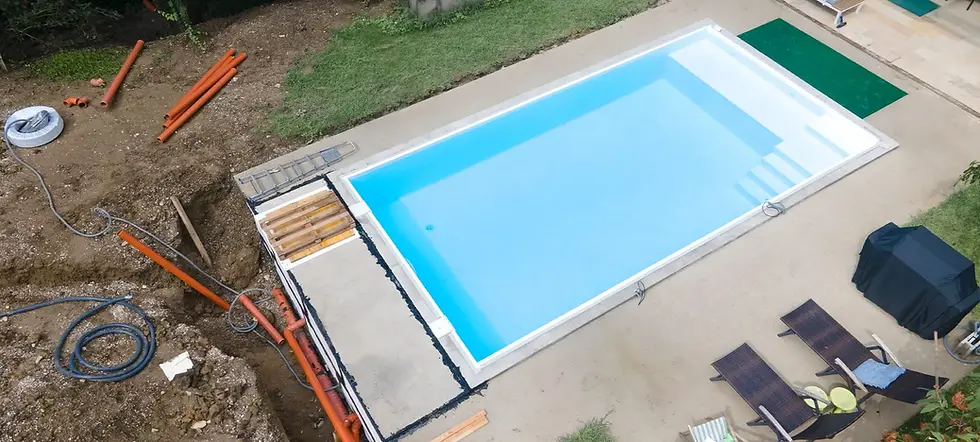
Most residential excavation projects require one to three days depending on size, soil conditions, and complexity. Weather delays can extend timelines, but proper excavation cannot be rushed without compromising quality. Retaining Walls and Pool Decks often require additional excavation time due to precise grading requirements and utility considerations.
People Also Ask
How deep should excavation be for a concrete patio?
Concrete patio excavation typically requires 8 to 12 inches of depth to accommodate base material and concrete thickness. Pittsburgh's freeze-thaw conditions may require deeper excavation in some soil types. Your contractor will determine exact depth based on soil analysis and intended use.
What happens if concrete is poured on poorly prepared ground?
Poorly prepared ground leads to uneven settling, cracking, and drainage problems that can appear within months of installation. The concrete may develop low spots where water collects, or crack along lines where the base was inadequately compacted. These issues often require complete removal and replacement rather than simple repairs.
How long does excavation take for a concrete driveway?
Excavation for a typical residential driveway takes one to two days depending on size, soil conditions, and access. Complex sites with poor drainage, rocky soil, or tight access may require additional time. Weather conditions also affect timeline, as excavation should not proceed during heavy rain or when soils are saturated.
Do I need permits for concrete excavation in Pittsburgh?
Most residential concrete projects in Pittsburgh require building permits, which typically cover excavation work. Your contractor should handle permit applications and ensure all work meets local codes. Some projects may require additional permits if excavation affects drainage patterns or occurs near property lines.
FAQ
Should I hire the same contractor for excavation and concrete work?
Working with a single contractor who handles both excavation and concrete placement ensures better coordination and accountability for the finished project. They understand how their excavation work affects concrete performance and can make adjustments throughout the process. This approach also simplifies scheduling and warranty coverage.
How do I know if my soil needs special preparation before concrete installation?
Professional soil testing reveals whether your site needs special preparation such as soil removal, amendments, or additional base material. Clay soils, expansive soils, or areas with poor drainage typically require extra preparation steps. An experienced contractor will identify these needs during the initial site evaluation.
Can excavation damage my existing landscaping or utilities?
Professional contractors use utility marking services and careful excavation techniques to minimize damage to existing features. However, some impact to adjacent landscaping is often unavoidable for proper access and grading. Reputable contractors discuss potential impacts upfront and work to minimize disruption where possible.
What equipment is needed for residential concrete excavation?
Most residential excavation requires compact excavators or skid steers for digging, compaction equipment for base preparation, and grading tools for precise slope control. Larger projects may need full-size excavators or dump trucks for material removal. Professional contractors have the right equipment for your specific project size and site conditions.
Get Professional Excavation for Lasting Concrete Results
Proper excavation prep determines whether your concrete investment delivers decades of reliable performance or requires costly repairs within just a few years. Pittsburgh, PA homeowners who choose professional excavation services protect their investment while ensuring their outdoor spaces can withstand our challenging climate conditions.
With years of experience serving Pittsburgh area homeowners, our team understands the unique soil and drainage challenges that affect concrete longevity in Western Pennsylvania. Don't let poor excavation compromise your beautiful new concrete project when expert preparation ensures lasting results.
Visit BRK Custom Concrete or call 412-419-8123 today. Our comprehensive excavation and concrete services deliver the foundation your project needs to last. Contact us for more information.



Comments